
educators are artists
We educators are artists as well !
ART
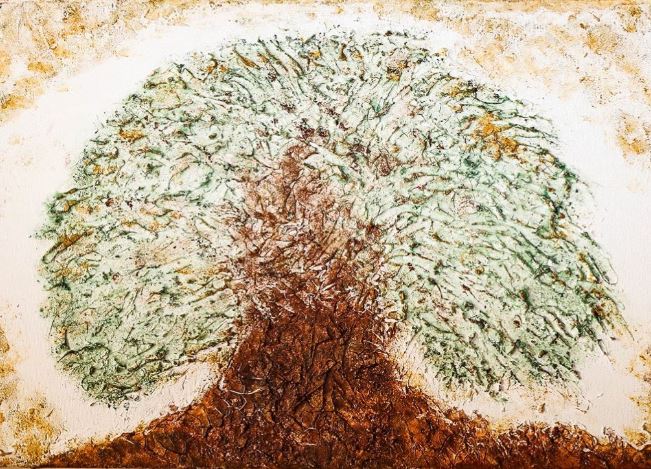
artifacts
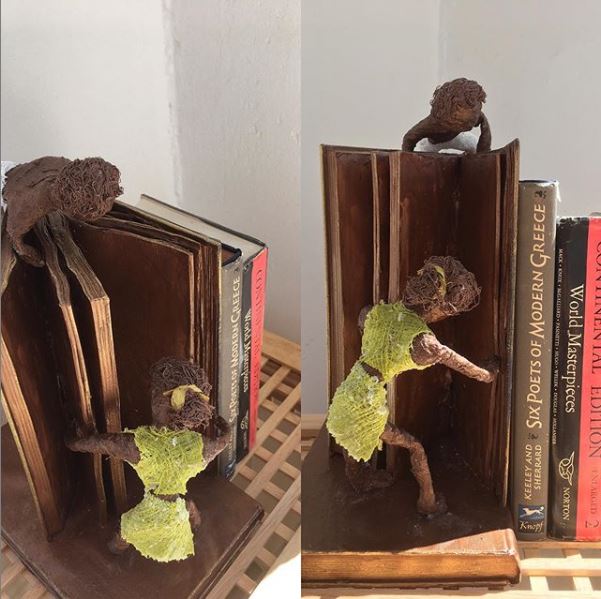
crafts
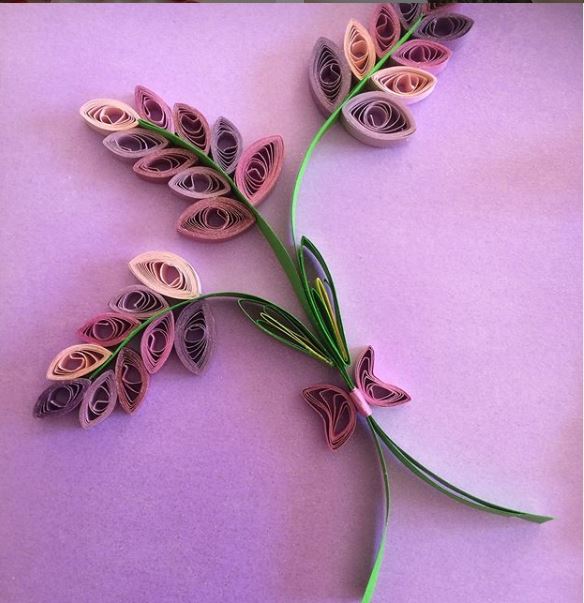
Art in a curious classroom, a different apprach to learning
Throughout my teaching career, I have had to learn how to adapt to different situations, teaching methodologies, create and design new lessons, artifacts of learning, games, assessments, interactive activities-you name it. Few outside the teacher world realize how
much creative raw power is involved with teaching. If you are reading this, and are a parent- next time you see the formatting and cute little bitmojis or other graphics on your child’s papers, thank a teacher for taking the time to create it. Creative products used in teaching, take time and being able to take risks getting messy- troubleshooting, seeing what the kids like/don’t like, and adapting. Constant change and adaptation. That is what it means to be a teacher in the 21 st century.
For me- the creative possibilities don’t stop in the classroom. In fact I know of many
educators that use their creative potential to further develop their own creative talents- whether it be painting, sculpting, photography, mixed media- whatever.
I myself have been dabbling with mixed media, clays and fabric hardeners to make a variety of things. Feel free to browse a bit at the links here.
Part of being an educator is that we never stop learning. As a language teacher, not only about other cultures, and people we teach about, but also- keeping the curiosity turned on- asking ‘how’ was this made- leads to learning about new techniques, new materials, and consequently new artistic products.
In addition, we teach our students about arts- whether it be musicians, artists, writers, crafts that help express and define a culture, anything that can help peak their curiosities and interest to learn more about the said culture or language we are learning about. Being a language teacher is not just teaching grammar, vocabulary and syntax. It is also about teaching our students to understand the people and culture they are learning about- which is also understanding the what, how’s and why’s of the cultural customs and traditions they explore in a language classroom. So we are also teaching arts appreciation- through intercultural understanding. Maybe once in a while we get to teach how to make a certain cultural artifact-like a Panamanian Mola, a Mexican alebrije, a Day of the Dead ofrenda, or cook a traditional recipe, write a song using mad libs- or something simple like recreate a real life photo of a favorite painting.
More than anything- our mission in education is to keep that curiosity turned on for our students, and the Arts is just another tool to do that.
Let’s work together!
There are few things I love more than sharing what has worked–and what hasn’t–in my classroom. Please contact me at: christina.j.rocha@gmail.com if you are interested in bringing me to your region, district, or school for professional development!
Some topics I can help with include:
- Inquiry based learning in the WL classroom
- Design thinking in the WL classroom
- Project-Based Language Learning (PBLL) AND Assessment!
- Arts and Art appreciation the WL classroom
- Student choice and empowerment
- Vocabulary building towards Proficiency
- Interdisciplinary collaboration
- Intercultural awareness and competence
- Music and motivation.


 My Curious Classes